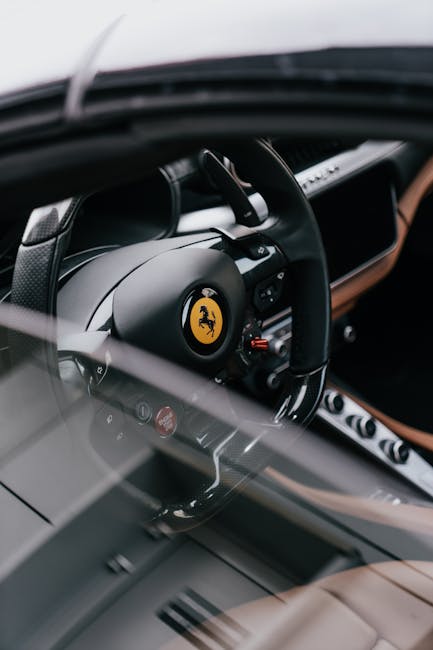
Understanding Sim Racing Cockpit Guide
Introduction to Sim Racing Cockpits
Sim racing has evolved from a niche hobby to a widely embraced sport, attracting enthusiasts across the globe. One critical aspect of enhancing the sim racing experience is the use of a dedicated sim racing cockpit. This guide aims to explore what a sim racing cockpit is, why it matters, and how to choose the right one for your needs.
A sim racing cockpit is a specialized setup designed to provide an immersive and ergonomic racing experience. For both beginners and advanced racers, having a dedicated cockpit can significantly enhance the realism and effectiveness of training and competition. This guide will help you navigate through the various options available, ensuring you make an informed choice for your racing journey.
What Is a Sim Racing Cockpit?
A sim racing cockpit serves as the foundation for a racer’s equipment, providing a stable and comfortable platform for the wheel, pedals, and other accessories. The core components of a sim racing cockpit typically include:
- Frame: The structure that supports the entire setup.
- Seat: Designed for comfort and support during long races.
- Wheel mount: Holds the steering wheel in place.
- Pedal plate: Supports the pedals and allows for adjustment.
It’s important to distinguish between a sim racing cockpit, a rig, and a wheel stand:
- Sim Racing Cockpit: A comprehensive setup that includes a frame, seat, and mounts.
- Rig: Often refers to a more complex structure that may include additional features like motion systems.
- Wheel Stand: A simpler and more portable option designed solely for holding the wheel and pedals.
Using a dedicated cockpit can improve realism, consistency, and performance in sim racing. By providing a stable platform, cockpits allow for better control and feedback, making it easier for racers to hone their skills.
Types of Sim Racing Cockpits
Entry-Level Sim Racing Cockpits
Entry-level cockpits are designed for newcomers to the sim racing scene. They are often foldable and portable, making them ideal for those with limited space.
- Foldable Cockpits: Easy to store when not in use.
- Portable Designs: Lightweight and can be moved easily.
Pros and cons for beginners include:
- Pros: Affordable, space-saving, and easy to set up.
- Cons: May lack stability and adjustability compared to higher-end models.
Mid-Range Sim Racing Cockpits
Mid-range cockpits often feature a tubular steel frame, striking a balance between rigidity and affordability. They provide a more stable platform suitable for various wheelbases and pedals.
- Ideal Wheelbase Compatibility: Commonly compatible with popular brands.
- Enhanced Rigidity: Better performance for more serious racers.
High-End Sim Racing Cockpits
High-end cockpits, often made from aluminum profiles (such as 8020 or T-slot), offer maximum rigidity and are designed to accommodate direct drive wheelbases.
- Modular Design: Allows for upgrades and customization.
- Superior Stability: Reduces flex during intense racing sessions.
Key Components of a Sim Racing Cockpit
Understanding the key components of a sim racing cockpit is essential for making an informed choice:
- Frame and Construction Materials: The material affects the durability and stability of the cockpit.
- Racing Seat Types: Options include GT seats for comfort and Formula seats for support.
- Wheel Mount Options: Various mounting styles, including front and side mounts.
- Pedal Plate Adjustability: Allows for customization based on the driver’s preferences.
- Shifter, Handbrake, and Accessory Mounts: Essential for a complete racing experience.
Sim Racing Cockpit Compatibility
Compatibility is crucial when selecting a sim racing cockpit. Key factors to consider include:
- Wheelbase Compatibility: Ensure compatibility with brands like Fanatec, Moza, Simucube, and Thrustmaster.
- Pedal Compatibility: Check for mounting standards to avoid issues.
- Monitor Mount Support: Consider options for single screens, triple monitors, or VR setups.
How to Choose the Right Sim Racing Cockpit
Choosing the right sim racing cockpit involves several considerations:
- Space Requirements: Evaluate your room layout to ensure it fits.
- Budget Planning: Determine how much you’re willing to spend.
- Driving Style: Consider whether you prefer GT, Formula, Rally, or Drift racing.
- Future Upgrade Potential: Look for options that allow for enhancements.
- Noise, Vibration, and Stability: Assess how these factors may affect your experience.
Sim Racing Cockpit Setup Guide
Setting up your sim racing cockpit correctly is crucial for optimal performance:
- Proper Seating Position: Ensure your seat is positioned for comfort and control.
- Correct Wheel Height, Angle, and Distance: Adjust these settings for ergonomics.
- Pedal Spacing and Angle Optimization: Customize these for comfortable operation.
- Shifter and Handbrake Placement: Position them for easy access.
- Cable Management Tips: Keep cables organized to avoid distractions.
Sim Racing Cockpit vs Other Setups
Comparing a sim racing cockpit to other setups can help you understand its advantages:
- Sim Racing Cockpit vs Desk Setup: Cockpits offer greater stability and ergonomics.
- Sim Racing Cockpit vs Gaming Chair: Cockpits provide a more immersive experience.
- Sim Racing Cockpit vs Wheel Stand: Cockpits have more features and adjustability.
Overall, sim racing cockpits provide enhanced performance, comfort, and immersion compared to alternative setups.
Best Sim Racing Cockpits by Use Case
When selecting a sim racing cockpit, consider the following recommendations based on specific use cases:
- Best Sim Racing Cockpit for Beginners: Choose an affordable, portable option that allows for easy setup.
- Best Cockpit for Direct Drive Wheelbases: Look for high-end models with maximum rigidity.
- Best Cockpit for Small Spaces: Opt for foldable or compact designs.
- Best Cockpit for Professional Sim Racers: Seek out modular and upgrade-friendly setups.
Common Mistakes When Buying a Sim Racing Cockpit
Avoid these common pitfalls when selecting a sim racing cockpit:
- Choosing the Wrong Size or Frame Type: Ensure the cockpit fits your space and needs.
- Ignoring Wheelbase Torque Requirements: Match the cockpit to your equipment.
- Overlooking Adjustability and Ergonomics: These features are crucial for comfort.
- Buying Without Considering Future Upgrades: Plan for potential enhancements.
Maintenance and Upgrades
To keep your sim racing cockpit performing optimally:
- Stability Maintenance: Regularly check and tighten connections.
- Common Upgrades: Consider updating your seat, monitor mounts, or adding motion platforms.
- Expanding to Triple Screen or Motion Systems: Evaluate your setup and adjust as needed.
Frequently Asked Questions (FAQ)
Here are some common inquiries about sim racing cockpits:
- Is a sim racing cockpit worth it? Yes, for serious racers, it enhances the experience significantly.
- Do I need a cockpit for direct drive wheels? While not mandatory, it is highly recommended for stability.
- How much does a good sim racing cockpit cost? Prices can range from a few hundred to several thousand dollars, depending on features.
- Can I build a DIY sim racing cockpit? Yes, many enthusiasts create custom setups tailored to their preferences.
Conclusion
This sim racing cockpit guide has explored the essential aspects of selecting the right setup for your racing needs. From understanding the types of cockpits available to recognizing key components, compatibility, and setup tips, you now have the knowledge to make an informed decision. Remember to consider your own preferences, space, and budget, and enjoy the immersive experience that a well-chosen sim racing cockpit can provide.

My name is Michael “Mick” Carter, and I’m a dedicated sim racing enthusiast with a deep love for motorsport. I first discovered sim racing in 2015 when a friend introduced me to a Logitech G27 and Assetto Corsa—an experience that immediately hooked me. Since then, I’ve gone from basic gear to advanced direct drive setups, VR headsets, and custom racing rigs, constantly refining my driving technique and equipment.
I mainly race in iRacing, ACC, and rFactor 2, focusing on GT3 endurance and open-wheel events. I’m not a professional driver—I’m simply someone who enjoys the craft of racing: learning car behavior, improving lap times, and battling for position with respect and skill.
I share what I’ve learned so others can build setups they enjoy and grow their own passion for sim racing. For me, the joy is in improving, one race at a time.
Owner at SimRacingCockpits.Com