
Sim Racing Cockpits — The Complete Guide
Sim racing cockpits are the backbone of a realistic home racing simulator. Whether you’re a casual wheel-and-pedals player or a pro-level sim racer using direct-drive hardware, the right cockpit improves comfort, immersion, and performance.
I’ve been sim racing for years — from desk clamps to full aluminum rigs — and I can say this: a good cockpit changes everything. It’s not just about holding your wheel steady. It’s about immersion, comfort, and consistency. In this guide, I’ll walk you through the sim racing cockpits I’ve personally owned or tested, what I love (and don’t love) about them, how to choose one, and what my friends and family thought when they tried my setups.
What Are Sim Racing Cockpits?
My definition and why they matter
A sim racing cockpit is basically your driving foundation — a sturdy frame with a seat that holds your steering wheel, pedals, shifter, and handbrake in realistic driving positions. I’ve tried everything from foldable Playseats to full-blown 8020 aluminum extrusion rigs. The difference is night and day. Once you race on a solid cockpit, going back to a desk feels like steering through jelly.
Types of cockpits I’ve used and tested
All-in-one cockpits — great for plug-and-play
My first real cockpit was the Playseat Evolution Alcantara. It came with a comfy seat, decent wheel stand, and it folded up easily. Perfect when I was living in a small apartment. My sister tried it and said, “It feels like sitting in a go-kart — fun, but a little cramped for long races.” She was right — for short sessions it’s amazing, but after two hours your back starts asking for mercy.
Modular / 8020 rigs — where things get serious
When I upgraded to a Sim-Lab GT1 Pro, everything changed. The rigidity is unreal. Force feedback from my direct-drive wheel suddenly felt pure — no flex, no shake. My brother said, “I didn’t know a simulator could feel this close to real driving.” The aluminum profile design took a few hours to assemble, but it’s worth every bolt twist. The customizability means I can mount anything exactly where I want it.
Folding and space-saving cockpits — perfect for tight rooms
Before I had a dedicated sim space, I used a GT Omega ART. My father loved it because it was practical: “It’s stable enough, and you can still pack it away when guests come over.” It’s a solid mid-tier rig — not pro-level rigidity, but much better than a clamp-on wheel stand. My neighbor even borrowed it for a weekend and said, “Now I understand why you take this hobby so seriously.”
Why a Good Cockpit Matters (from my experience)
- Stability: A rigid frame makes your wheel and pedals feel precise. You stop fighting flex and start focusing on lap times.
- Comfort: Proper seat and pedal position let me drive longer without fatigue — key for endurance races.
- Compatibility: Every time I upgraded my wheelbase or pedals, I appreciated rigs that could handle heavier hardware.
- Longevity: My Sim-Lab has lasted through three wheel upgrades — it’s basically future-proof.
How I Choose the Right Sim Racing Cockpit
1. Knowing my hardware
Direct-drive wheelbases demand strong mounts. My early rigs flexed under torque, and it killed immersion. Now I always check the manufacturer’s torque rating before buying a cockpit.
2. Ready-to-race vs modular builds
If you want to just drive, get something like the Next Level Racing GTTrack. It’s comfortable out of the box. But if you love to tinker like me, go 8020. My modular rig keeps evolving — I’ve added a handbrake mount, monitor stand, and motion platform over time.
3. Rigidity and materials
Aluminum extrusion wins every time. Steel is fine, but aluminum rigs like Sim-Lab or Track Racer feel solid and upgradeable. My friend who runs a P1-X says, “It’s overkill until you push a direct-drive wheel — then it’s perfection.”
4. Adjustability and ergonomics
I share my rig with my brother sometimes, and he’s taller than me. Adjustable pedal and seat positions are essential. One centimeter off in pedal reach can mess with your braking feel.
5. Seat comfort
I’ve sat in bucket-style seats and padded GT seats. For short races, buckets feel immersive. For long races, I prefer GT seats with lumbar padding. My sister said the bucket looked cool but “felt like sitting in a gym machine.”
6. Space and footprint
Measure twice, buy once. My neighbor bought a GTTrack before realizing his room door barely opened afterward. If you live in a small apartment, foldable rigs are a blessing.
7. Expandability and mounts
I love rigs that grow with me — adding a monitor mount, shifter, or keyboard tray makes the setup cleaner and more immersive. 8020 rigs shine here.
8. Budget reality check
I’ve owned rigs from $250 to over $1,000. The jump in quality between entry and mid-tier is massive. But beyond that, it’s diminishing returns — spend smart, not just big.
9. Assembly and support
I won’t lie — building an 8020 rig takes patience. But Sim-Lab’s instructions are clear. The satisfaction when it’s done? Immense.
My Favorite Sim Racing Cockpits (and what I thought of each)
Sim-Lab P1-X — The professional beast
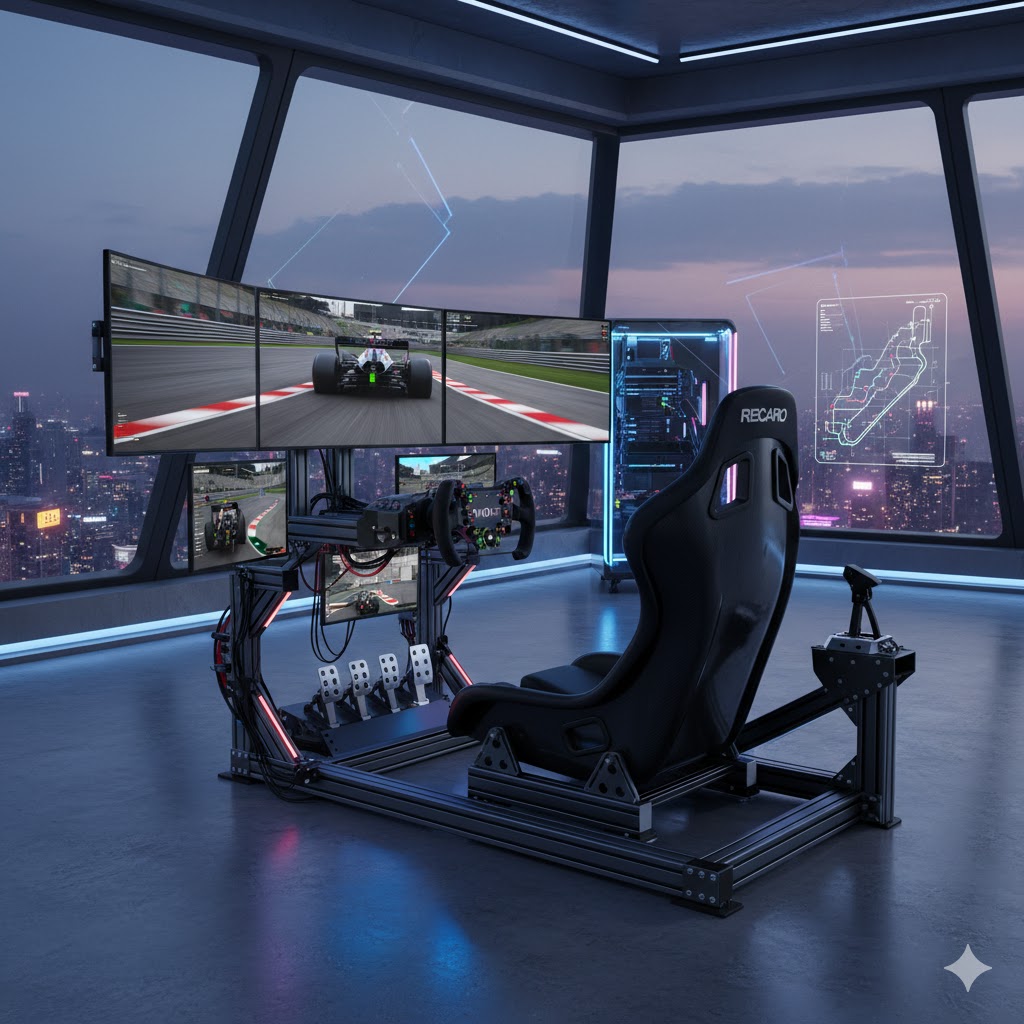
Why I love it: It’s the most rigid thing I’ve ever driven on. My direct-drive wheel feels surgically precise. I use it with a GT seat and triple monitors. It’s built like industrial equipment.
What my testers said:
Friend: “This feels like real GT endurance racing.”
Brother: “Too serious for casual fun — but impressive.”
Sim-Lab GT1 Pro — The balanced all-rounder
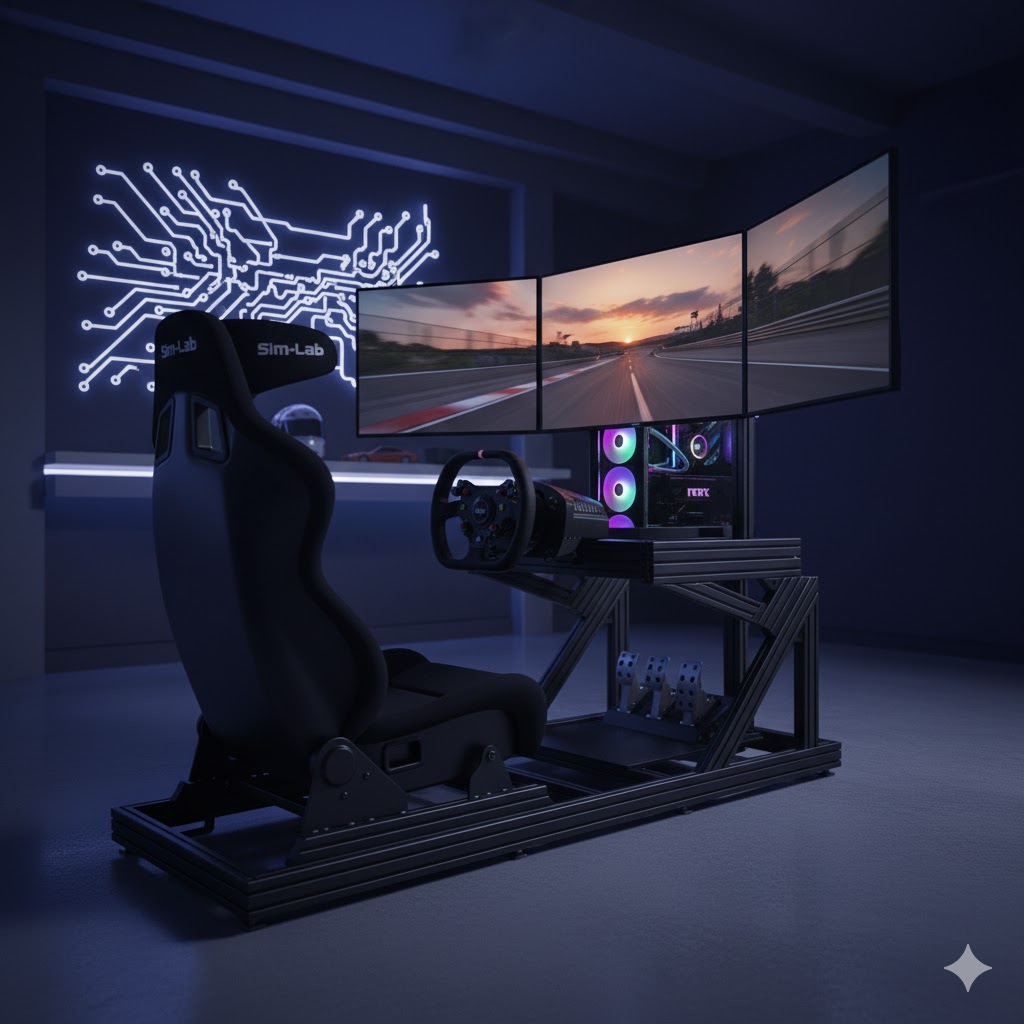
Why I love it: It’s my current rig. Easier to assemble than the P1-X but still rock solid. Perfect for home setups that don’t need motion platforms.
What my testers said:
Neighbor: “It’s clean and modern — I could see this in my living room.”
Father: “Strong but not bulky — feels premium.”
Next Level Racing GTTrack — The comfort king
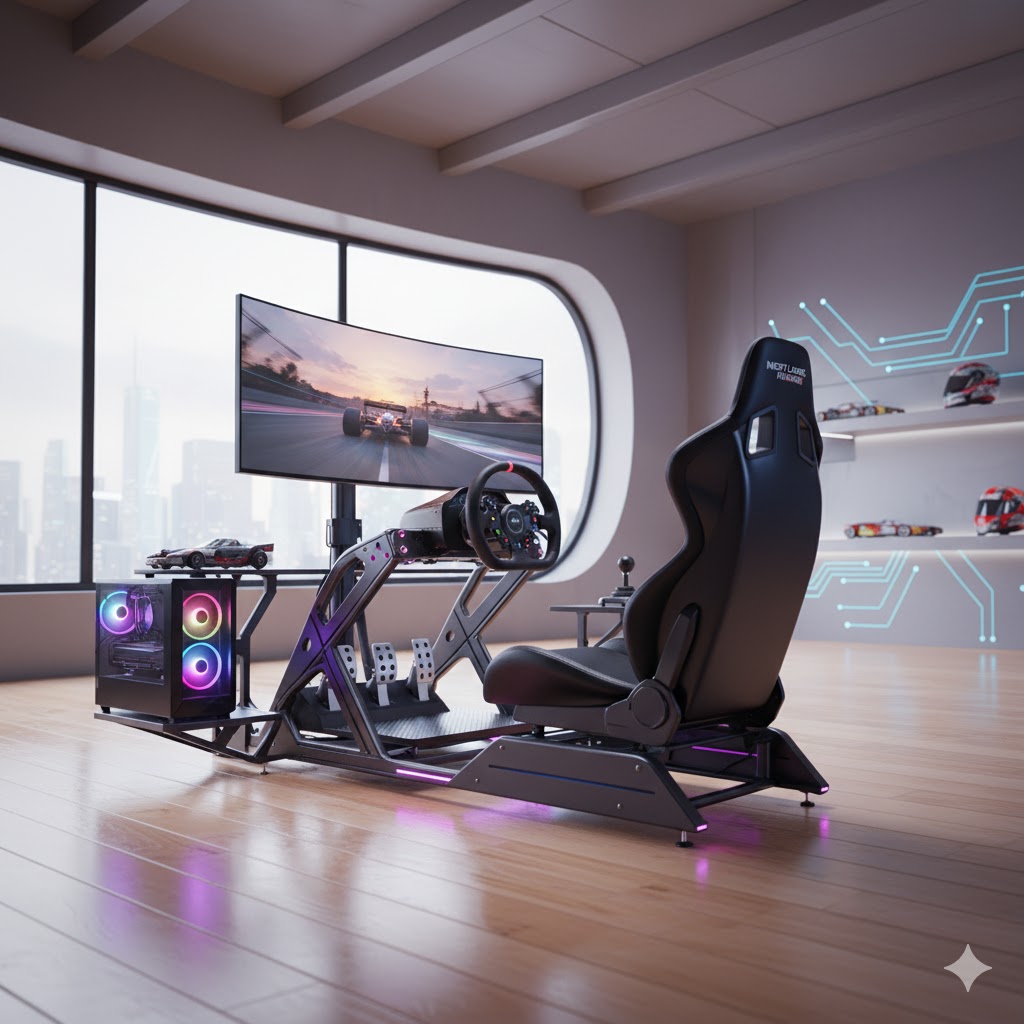
Why I love it: The seat is so comfortable I once did a 3-hour stint without noticing. It’s heavy but stable. Great for plug-and-play racers.
What my testers said:
Friend: “Super comfortable and easy to adjust.”
Sister: “It looks professional but feels more like a real car seat.”
Playseat Evolution — Best starter cockpit
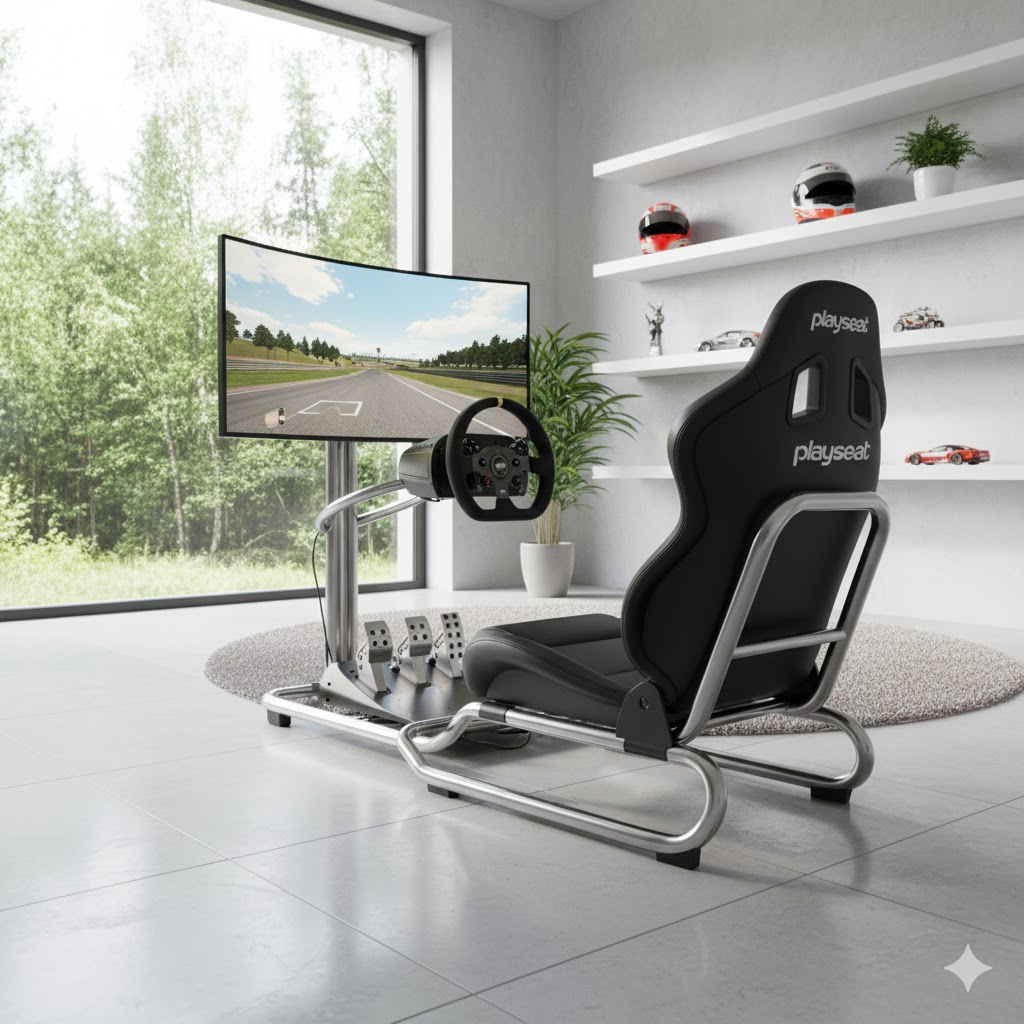
Why I love it: Foldable, compact, and simple. Perfect when I lived in a small room. The downside? Flex under torque-heavy wheels.
What my testers said:
Brother: “Cheap, cheerful, but wobbles under pressure.”
Father: “Smart choice if you don’t have much space.”
GT Omega ART — Budget with backbone
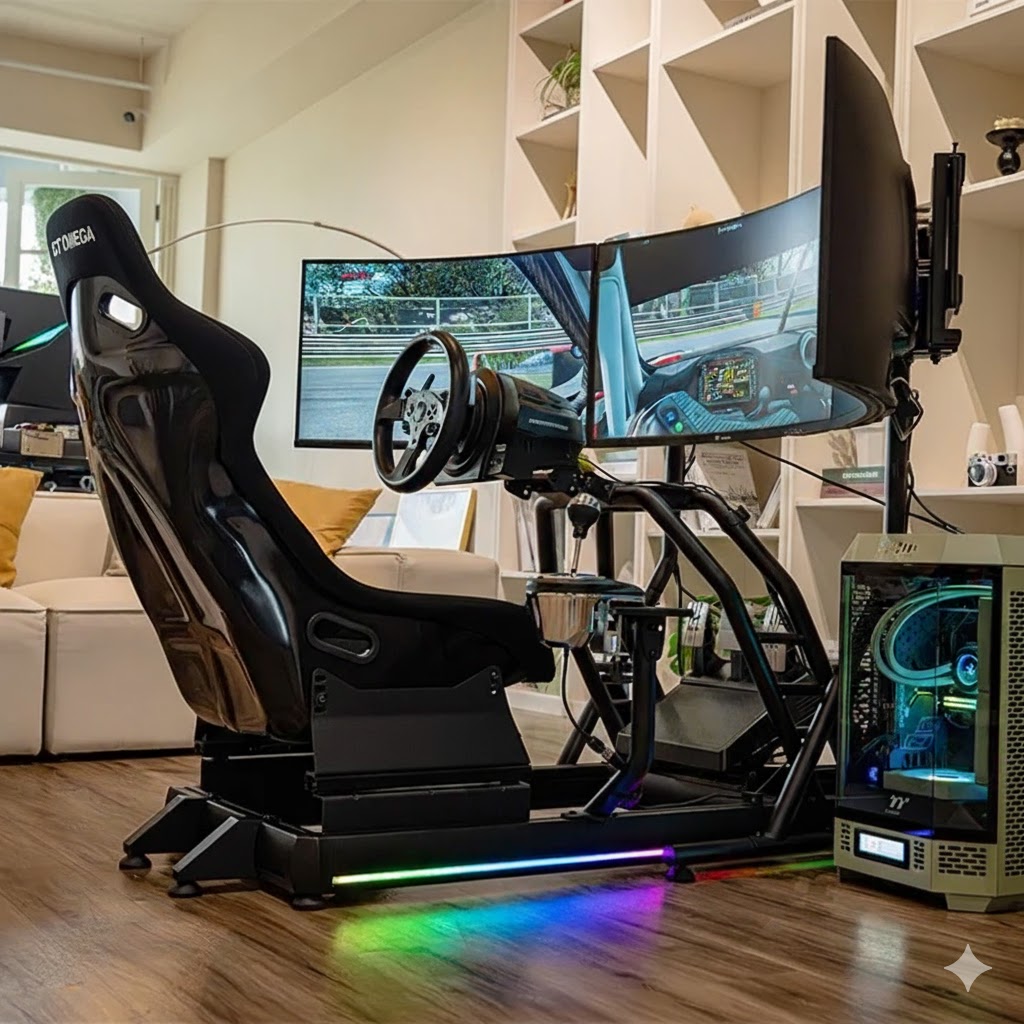
Why I love it: Excellent price-to-performance. Feels solid enough for mid-tier gear and looks tidy.
What my testers said:
Neighbor: “More rigid than I expected for the price.”
Sister: “Compact and neat — great for apartments.”
My Quick Recommendations
- For beginners / small spaces: Playseat Evolution or GT Omega ART — easy to fold and great for entry-level wheels.
- For serious racers: Next Level Racing GTTrack or Sim-Lab GT1 Pro — best blend of comfort and rigidity.
- For pros: Sim-Lab P1-X — built for motion rigs and direct-drive setups.
Setup Tips I’ve Learned (the hard way)
Mount everything — don’t clamp
I used clamps once, and my wheel slipped mid-corner. Bolt everything down — it transforms the feel of force feedback.
Protect your floor
Rubber feet or a mat under the rig prevent sliding and noise. My father complained once about floor marks — lesson learned!
Cable management is sanity
Tidy cables = fewer distractions. I use Velcro straps and zip ties under the frame. Looks cleaner and prevents tangling.
Seat and pedal tuning
Take your time adjusting seat angle and pedal distance. My braking consistency improved dramatically once I found my “sweet spot.”
Maintenance matters
- Re-tighten bolts after the first week — aluminum rigs settle a bit.
- Lubricate any moving joints if it’s a folding design.
- Check mounts regularly, especially if you change hardware.
Brands, Budgets, Colors, and Sizes (my real-world notes)
Brands I trust: Sim-Lab, Next Level Racing, Playseat, and GT Omega. All have solid support and good community backing.
Budget tiers I’ve used:
- Entry (under $400): Playseat Evolution — great starter, compact, limited rigidity.
- Mid ($400–800): GT Omega ART, Next Level Racing GTTrack — great balance.
- Pro ($800+): Sim-Lab GT1/P1-X — unbeatable rigidity and customization.
Color & finish: Most rigs come in matte black or anodized silver. I prefer matte black — hides fingerprints and blends well with my gear.
Size considerations: My Sim-Lab takes up nearly 1.5m x 1m. Always measure your space before ordering, especially if you plan triple monitors.
Short Buyer’s Checklist (from my own notes)
Will it mount my wheelbase & pedals securely? ✔
Is it rigid enough for my torque-heavy wheel? ✔
Does it fit my room and floor plan? ✔
Is the seat comfortable for long sessions? ✔
Are accessory mounts supported (shifter, monitor)? ✔
Final Thoughts — What I’d Buy Again
If I could only keep one rig, it’d be my Sim-Lab GT1 Pro. It’s sturdy, comfortable, expandable, and doesn’t eat up my entire room. For anyone just starting out, I’d still recommend the Playseat Evolution — it’s what hooked me in the first place. For pros, go P1-X and never look back.
My father summed it up best after trying all of them: “The cockpit makes the simulator feel like a car. Without it, it’s just a game.” I couldn’t agree more.