Meta Quest 3 512gb Virtual Reality Headset Review: Beginner’s Guide
Meta Quest 3 512GB Virtual Reality Headset Review — A Complete VR Headset for Immersion and Sim Racing
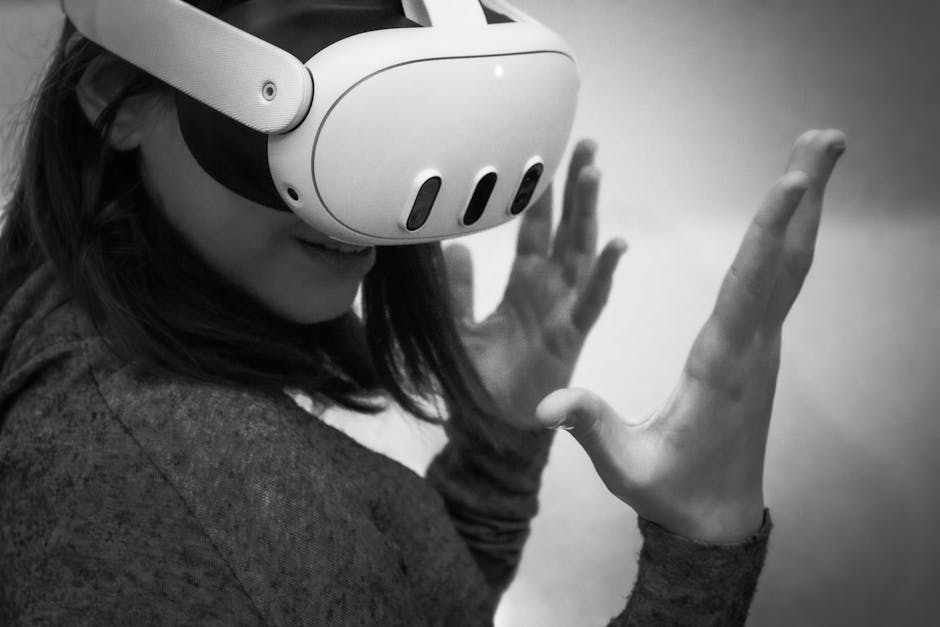
The Meta Quest 3 is Meta’s latest standalone virtual reality headset, designed to bring higher-fidelity visuals, powerful performance, and mixed reality features into a single device. This headset operates without needing a PC or console, making it one of the most talked-about options for both general VR users and sim racing enthusiasts. With an attractive price point, the Quest 3 promises immersive VR performance that appeals to a wide range of users.
Design & Build — Comfortable and Ergonomic
Out of the box, the Quest 3 impresses with its lightweight design, weighing around 515 grams. This makes it feel well-balanced and comfortable for extended VR sessions compared to many older standalone headsets. Key design features include:
- Ergonomic strap and face interface that are easily adjustable.
- Solid and modern hardware construction, avoiding bulkiness.
- Pancake lenses with high-resolution LCD panels for enhanced clarity.
The headset offers a field of view of approximately 110° horizontally, which is a noticeable improvement over earlier budget VR models, enhancing the overall immersive experience.
Display & Visual Quality — Crisp and Immersive
The Quest 3 excels in visual performance, boasting a 4K+ resolution per eye at 2064 × 2208 pixels. This high resolution results in:
- Crisp visuals that enhance immersion in both VR games and sim racing titles.
- Improved clarity of cockpit details, sharper track edges, and better distance visibility.
While it may not reach the ultra-high fidelity of the most expensive VR headsets, the Quest 3 significantly outperforms older Quest models, offering strong value for its price category.
Performance & Tracking — Smooth VR Experience
Powered by a Qualcomm Snapdragon XR2 Gen 2 chipset with 8 GB of RAM, the Quest 3 provides reliable performance for standalone VR experiences. When tethered to a PC via cable or Air Link, it functions exceptionally well for PC VR gaming. Notable performance features include:
- Quick loading times for apps.
- Accurate tracking facilitated by an array of onboard cameras.
- Refresh rates of up to 120 Hz (experimental) for smooth motion.
- Mixed reality passthrough capabilities, allowing for innovative blending of real and virtual environments.
Audio & Input — Comfortable and Functional
Integrated 3D positional speakers in the Quest 3 deliver immersive sound without the need for external headphones. This feature allows for quick access to VR content. However, some users have noted limitations with Bluetooth audio, finding it laggy or inconsistent. The headset also includes:
- Ergonomic Touch Plus controllers that track well and provide reliable hand presence.
- Compatibility with general VR games and racing titles, enhancing the overall experience.
Battery Life & Practical Usage
The Quest 3 offers a battery life of approximately 2 to 3 hours per session, which is typical for standalone headsets at this performance level. While this may not support all-day use, it is adequate for long play sessions with breaks. Additionally, external battery accessories can extend usage time if necessary. The headset’s standalone capabilities are excellent for casual VR experiences and gaming, and it can connect to a PC for more demanding VR titles, such as sim racing games.
Compatibility & Ecosystem
One of the standout features of the Quest 3 is its extensive library of VR apps and games. It supports titles that were available on the Quest 2 and introduces a plethora of new immersive experiences. Key compatibility aspects include:
- Support for PC VR via wired or wireless connection, enabling access to more detailed VR racing simulations.
- However, it lacks native wheel and pedal support for standalone simulations, requiring PC integration for those peripherals.
This versatility makes it a strong contender for users seeking an immersive racing experience while remaining budget-friendly.
Who It’s For
The Meta Quest 3 appeals to a variety of users, including:
- VR Enthusiasts Looking for Value: The headset offers an excellent balance of features, performance, and price in the standalone VR market.
- Sim Racers on a Budget: It provides an immersive VR racing experience when paired with a PC and compatible racing simulations.
- Mixed Reality Explorers: The strong passthrough and mixed reality features expand its usage beyond gaming.
However, it may not be ideal for:
- Users seeking ultra-high-end VR visuals beyond what standalone headsets can provide.
- Gamers expecting flawless Bluetooth audio support without limitations.
Final Verdict
Score: 8.7/10
In conclusion, the Meta Quest 3 stands out as one of the most compelling VR headsets in its price range. Its strengths include:
- Crisp, high-resolution displays that enhance immersion and legibility.
- Mixed reality passthrough capabilities that add versatility beyond traditional VR.
- A comfortable design and solid tracking for long sessions.
- Support for both standalone and PC VR experiences.
On the downside, users should note:
- Average battery life and lack of peripheral support for standalone simulations.
- Bluetooth audio limitations that may impact wireless sound quality.
- Lower clarity compared to high-end tethered headsets.
The bottom line is that the Meta Quest 3 offers excellent visuals, strong performance, and flexibility for both standalone gaming and PC VR experiences. Whether you are stepping into VR for the first time, exploring mixed reality, or using it for sim racing on a PC, the Quest 3 delivers great value and immersive experiences.

My name is Michael “Mick” Carter, and I’m a dedicated sim racing enthusiast with a deep love for motorsport. I first discovered sim racing in 2015 when a friend introduced me to a Logitech G27 and Assetto Corsa—an experience that immediately hooked me. Since then, I’ve gone from basic gear to advanced direct drive setups, VR headsets, and custom racing rigs, constantly refining my driving technique and equipment.
I mainly race in iRacing, ACC, and rFactor 2, focusing on GT3 endurance and open-wheel events. I’m not a professional driver—I’m simply someone who enjoys the craft of racing: learning car behavior, improving lap times, and battling for position with respect and skill.
I share what I’ve learned so others can build setups they enjoy and grow their own passion for sim racing. For me, the joy is in improving, one race at a time.
Owner at SimRacingCockpits.Com