Sim Racing Cockpit vs Wheel Stand: Which Is Better? Sim Racing Cockpit Vs Wheel Stand
Introduction to Sim Racing Rigs
Sim racing has evolved significantly over the past few decades, transforming from simple arcade-style games to highly sophisticated simulations that can replicate real-world racing experiences. A critical aspect of this evolution is the hardware that enhances immersion and performance, notably the mounting solutions used for wheels and pedals. Whether you’re a casual gamer or a serious competitor, the hardware setup can make a substantial difference in your racing experience.
This article aims to provide a comprehensive comparison between sim racing cockpits and wheel stands, helping buyers understand the key differences and make informed decisions based on their needs and preferences.
What Is a Sim Racing Cockpit?
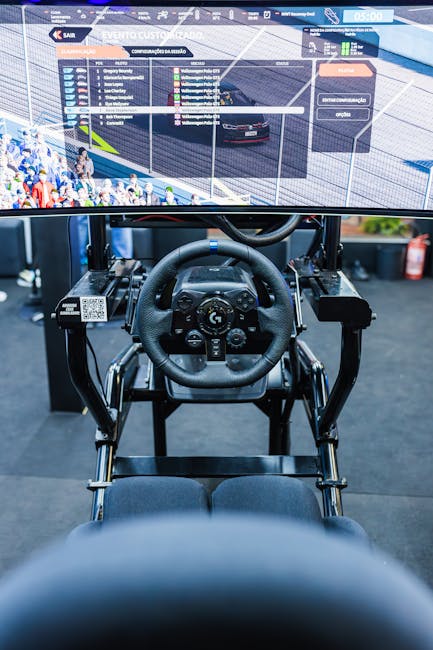
A sim racing cockpit is a dedicated racing rig designed to replicate the experience of driving a real car as closely as possible. It serves multiple purposes, including providing a stable frame for the wheel and pedals, offering proper seating for comfort, and allowing for adjustments in various positions to suit individual preferences.
Key Components
- Frame: The structure that supports the entire rig.
- Seat: Often designed to mimic racing seats, providing comfort and support.
- Wheel Mount: A fixed position for attaching the steering wheel.
- Pedal Tray: A platform specifically for the pedals, often adjustable.
- Shifter Mount: An area for mounting a gear shifter, enhancing realism.
Common Materials
Sim racing cockpits are typically constructed from various materials, including:
- Steel: Known for durability and stability.
- Aluminum Profile: Lightweight and customizable.
- Tubing: Often used for a balance of weight and strength.
Types of Sim Racing Cockpits
- GT Cockpits: Designed to simulate grand touring vehicles.
- Formula Cockpits: Mimic the open-wheel racing experience.
- Hybrid Cockpits: Combine features of both GT and Formula designs.
What Is a Wheel Stand?
A wheel stand is a more straightforward setup, typically used by those who want to mount their racing wheel and pedals without the commitment of a full cockpit. It’s a versatile option that can be easily stored away when not in use.
Core Components
- Wheel Plate: A surface for securely attaching the steering wheel.
- Pedal Base: A platform to hold the pedals in place.
- Folding Structure: Allows for easy storage and portability.
Compatibility with Chairs
Wheel stands can often be used with existing office chairs or gaming chairs, making them a flexible solution for those who don’t want to invest in a dedicated cockpit.
Foldable vs Fixed Wheel Stands
- Foldable: Easy to store and transport, ideal for limited spaces.
- Fixed: Offers more stability but requires a dedicated space.
Stability and Rigidity Comparison
One of the critical differences between sim racing cockpits and wheel stands is stability, particularly when it comes to force feedback from high-torque wheelbases.
Force Feedback Handling
- Low Torque Wheelbases: Both setups perform adequately.
- High Torque Wheelbases: A cockpit generally provides better support and less flex.
Pedal Flex Under Load
- Load Cell Pedals: Require more rigidity to perform optimally.
- Standard Pedals: Can work with both setups, but performance may vary.
Long-Term Durability and Upgrade Potential
Sim racing cockpits tend to offer better long-term durability and upgrade potential. Their sturdy construction can support future enhancements, such as motion systems.
Rigidity and Lap Time Consistency
The rigidity of your setup significantly affects lap time consistency. A more stable platform reduces unwanted movement, allowing for better control and precision during races.
Comfort and Ergonomics
Comfort is crucial for long racing sessions, and this is where sim racing cockpits often shine.
Seating Position Differences
Sim racing cockpits usually offer a more authentic seating position compared to wheel stands, which may require using an office chair that lacks ergonomic features.
Adjustability
- Height: Many cockpits allow for height adjustments for different drivers.
- Reach: The distance to the wheel can be modified.
- Pedal Angle: Can be adjusted for optimal comfort.
Impact on Long Racing Sessions
A more comfortable position can significantly improve endurance during longer races, reducing fatigue and enhancing focus.
Realism and Immersion Comparison
Sim racing cockpits provide a more immersive experience due to their design, which closely resembles real racing environments. Wheel stands, while functional, often lack this level of realism.
Space Requirements and Portability
Space is a significant consideration for many potential buyers.
Footprint Size Comparison
Sim racing cockpits typically occupy more space than wheel stands, making them less ideal for smaller environments.
Foldability and Storage Convenience
Wheel stands often come with folding designs, allowing for easy storage when not in use, while cockpits usually require a dedicated space.
Ideal Solutions for Apartments and Small Rooms
For those living in apartments or smaller homes, wheel stands are often the preferred choice due to their compact nature.
Permanent vs Temporary Sim Racing Setups
Sim racing cockpits are generally considered permanent fixtures, while wheel stands can be easily set up or taken down as needed.
Compatibility With Sim Racing Hardware
Compatibility is crucial when considering either option.
Wheelbase Compatibility
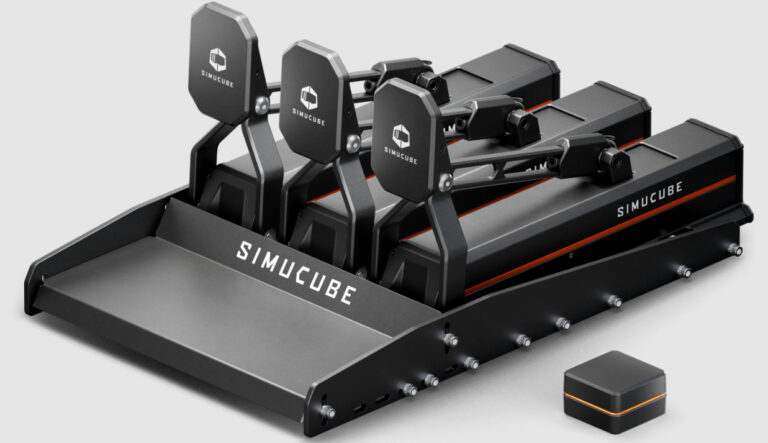
Both setups can accommodate popular wheelbases from brands like Logitech, Thrustmaster, Fanatec, Moza, and Simucube.
Pedal Sets and Load Cell Support
Many cockpits provide better support for high-end pedal sets, particularly load cell models, enhancing performance.
Shifter, Handbrake, and Button Box Mounting Options
Sim racing cockpits often offer dedicated mounting points for shifters, handbrakes, and button boxes, while wheel stands may require additional accessories.
Monitor and VR Compatibility
Both setups can be compatible with monitors and VR systems, but cockpits frequently offer better positioning for immersive experiences.
Price and Value for Money
Price is often a deciding factor for buyers.
Typical Price Range
- Wheel Stands: Generally range from $100 to $300.
- Sim Racing Cockpits: Can range from $300 to over $1,500, depending on materials and features.
Hidden Costs
Buyers should also consider hidden costs, such as additional seating, monitor stands, and accessories that may be necessary for either setup.
Long-Term Investment Perspective
While cockpits may require a higher initial investment, they can be seen as a long-term investment due to their durability and upgrade potential.
Upgrade Path and Future-Proofing
As technology advances, the ability to upgrade your setup becomes important.
Ease of Upgrading from Wheel Stand to Cockpit
Transitioning from a wheel stand to a cockpit is generally straightforward, as many components can be reused.
Modular Cockpit Ecosystems
Many cockpits are designed to be modular, allowing for easy upgrades and expansions.
Expandability for Motion Systems and Triple Monitors
Sim racing cockpits often allow for the integration of motion systems and triple monitor setups, enhancing the immersive experience.
Resale Value Comparison
Sim racing cockpits generally retain better resale value compared to wheel stands, making them a wise investment for serious racers.
Pros and Cons: Sim Racing Cockpit vs Wheel Stand
Sim Racing Cockpit – Advantages and Disadvantages
- Advantages:
- Superior stability and rigidity.
- Better comfort and ergonomics for long sessions.
- More immersive experience.
- Compatibility with high-end hardware.
- Disadvantages:
- Higher cost.
- Takes up more space.
- Less portable.
Wheel Stand – Advantages and Disadvantages
- Advantages:
- More affordable.
- Easier to store and transport.
- Compatible with existing chairs.
- Disadvantages:
- Less stability under high torque.
- Limited comfort for long races.
- Fewer options for upgrades and expansions.
Who Should Choose a Sim Racing Cockpit?
Sim racing cockpits are ideal for:
- Competitive sim racers seeking an edge.
- Users of direct drive wheels who require stability.
- Long endurance racers focused on comfort.
- Those with dedicated sim racing rooms.
Who Should Choose a Wheel Stand?
Wheel stands are best suited for:
- Beginners and casual racers starting out.
- Users with limited space who need portability.
- Budget-conscious sim racers looking for affordability.
- Console gamers with living-room setups.
Sim Racing Cockpit vs Wheel Stand: Side-by-Side Comparison Table
| Feature | Sim Racing Cockpit | Wheel Stand |
|---|---|---|
| Stability | High | Moderate |
| Comfort | High | Moderate |
| Space Usage | Large | Compact |
| Price | Higher | Lower |
| Upgrade Potential | High | Low |
Frequently Asked Questions (FAQ)
- Is a wheel stand enough for direct drive wheels?
It can be, but a cockpit typically offers better support for high-torque applications.
- Can you convert a wheel stand into a cockpit?
While it’s not a direct conversion, many components can be reused when upgrading.
- Do sim racing cockpits improve lap times?
Yes, the improved stability and comfort can lead to better performance.
- Which option is better for beginners?
Wheel stands are typically more accessible and affordable for newcomers.
Final Verdict: Cockpit or Wheel Stand?
When deciding between a sim racing cockpit and a wheel stand, several factors come into play, including budget, space availability, and racing goals. For those deeply invested in sim racing, a cockpit offers superior performance, comfort, and long-term value. Conversely, beginners or those with limited space may find a wheel stand a practical and economical choice.
Ultimately, the right choice depends on your individual preferences and how serious you are about your sim racing experience. Each option has its merits, and understanding these differences will guide you to the best solution for your racing journey.

My name is Michael “Mick” Carter, and I’m a dedicated sim racing enthusiast with a deep love for motorsport. I first discovered sim racing in 2015 when a friend introduced me to a Logitech G27 and Assetto Corsa—an experience that immediately hooked me. Since then, I’ve gone from basic gear to advanced direct drive setups, VR headsets, and custom racing rigs, constantly refining my driving technique and equipment.
I mainly race in iRacing, ACC, and rFactor 2, focusing on GT3 endurance and open-wheel events. I’m not a professional driver—I’m simply someone who enjoys the craft of racing: learning car behavior, improving lap times, and battling for position with respect and skill.
I share what I’ve learned so others can build setups they enjoy and grow their own passion for sim racing. For me, the joy is in improving, one race at a time.
Owner at SimRacingCockpits.Com